
Recent earthquakes have given Filipino homebuyers good reason to look closely at structural safety. PHIVOLCS recorded a magnitude 6.9 earthquake offshore Northern Cebu in September 2025 and a magnitude 7.4 earthquake offshore Davao Oriental the following month. A magnitude 7.8 earthquake offshore Sarangani followed in June 2026.
The Philippines sits along major tectonic plate boundaries and has active faults and offshore trenches. More earthquakes will occur, although no one can know exactly when or where the next damaging one will strike.
No home is earthquake proof. Before buying, look at the location, the construction records, the actual condition of the house, and what your family would do during and after strong shaking. Here’s a look at our earthquake safety checklist for homebuyers.

Check 1: Check the Exact Site for Earthquake Hazards
Search the actual lot or building location on HazardHunterPH. The pin for the project entrance or sales office may produce a different result.
Active fault: If the report shows an active fault crossing or close to the property, request an official assessment from PHIVOLCS. No foundation can stop the ground from breaking directly beneath a house.
Liquefaction: Loose soil containing a lot of water can lose strength during intense shaking, causing a building to sink or tilt. If the area is flagged, request the soil investigation report and ask how the foundation was designed for those conditions.
Slopes and filled ground: For a lot beside a hillside, filled area, or retaining wall that holds back soil, ask for the signed engineering plans. Cracks, bulging sections, and leaning walls should be checked by a licensed civil engineer experienced in structural work.
Tsunami exposure: In a coastal development, trace the route to higher ground. An open lawn may be suitable as a meeting place after an earthquake, but it is not safe during a tsunami warning.
The HazardHunterPH report is a starting point. When it identifies a concern, settle the question with the developer, PHIVOLCS, or an engineer before reserving.
Check 2: Verify How the House Was Approved and Built
Once the location has been reviewed, turn to the records for the house. A License to Sell allows the developer to sell the project; it does not describe the condition of a particular unit.
Approved structural plans: Confirm that plans exist for the exact house model. They should carry the name, signature, and seal of the licensed civil engineer responsible for the structural design. Buyers do not need to interpret the drawings themselves.
Building permit: Check that the permit applies to the model and location being offered. Under the National Building Code, construction should follow plans approved by the local building official.
Certificate of Occupancy: Often called an occupancy permit, this should be issued before a completed home is occupied. Ask for a copy before turnover or before buying a resale unit.
Changes to a resale home: Added floors, removed walls, wider openings, and large extensions should have updated plans and permits. If the documents do not match the house, have the changes reviewed before buying.
The records show what was approved. A walkthrough will show what is actually there.
Check 3: Look Closely at the Actual Home
Walk through the exact unit you plan to buy. Fine cracks in paint or plaster are common. Deep cracks that continue through the wall or concrete need closer attention.
Concrete posts and beams: Look for large diagonal or horizontal cracks, broken edges, exposed steel bars, or rust stains.
Walls: Check for zigzag cracks along the hollow blocks, cracks spreading from the corners of doors and windows, or a wall pulling away from the concrete frame.
Floors, doors, and windows: A tilted floor, cracked tiles forming one line, or several doors and windows that no longer close properly may point to movement in the house.
Anything overhead: Check ceiling boards, concrete ledges, canopies, and water tank supports for loose or cracked parts.
Most resale viewings do not require an engineer. Arrange an inspection before finalizing the purchase if several of these signs appear, the house has major alterations, the documents are incomplete, or the property was damaged in an earthquake.

Check 4: Look at Safety Inside the Home and Community
The next questions concern what could fall inside the house and what the family would do after the shaking stops. PHIVOLCS advises everyone to Drop, Cover, and Hold during strong shaking.
Heavy furniture: Ask where tall cabinets, shelves, televisions, and water heaters can be firmly attached. Avoid placing them over beds or beside the sofa unless they can be secured properly.
The way out: Open the front door and gate, then walk the route from each bedroom. Storage and parked vehicles should not block the way, and adults should know where the gate keys are kept.
The family meeting place: Ask where residents are expected to gather. It should be away from walls, glass windows, power lines, and other objects that could fall. Coastal communities also need a route to higher ground.
Management after an earthquake: Find out how residents receive updates, who checks common buildings and utilities, and how ambulances or fire trucks enter if the main gate becomes crowded.
These are practical questions that the sales or property management team should be able to answer during a visit.
Find a Futura Home Built for Greater Peace of Mind
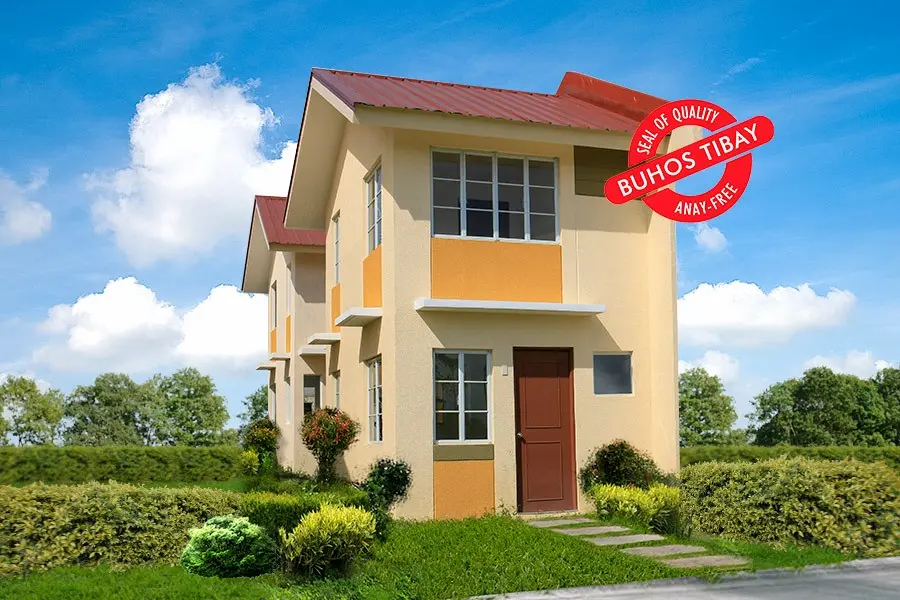
Futura supports durable family living through its Buhos Tibay quality seal, which uses reinforced concrete construction to create solid, low maintenance homes. Its master planned communities also place residential sections, access roads, and common areas under one development plan.
Futura is backed by Filinvest Land, with more than 2,500 hectares developed for over 160,000 families nationwide.
Talk to a property specialist about the exact home model, location, and project documents available.
Talk to a Futura property specialist →
Share this article